

Non-Surgical Buttock Shape and Volume Modeling: A Clinical Case
Machine translation
Original article is written in RU language (link to read it) .
Patient N., aged 53, presented with complaints of excess skin forming folds on the buttocks (predominantly beneath the buttocks) and above the kneecap. In the patient’s words, her “skin is like a Shar-Pei’s.” She requested improvement in skin quality, skin tightening and hydration, and restoration of lost volume. She did not agree to surgical intervention.
At the initial examination: asthenic body type; exercises regularly; height 175 cm, weight 70 kg (BMI within the normal range). She follows a healthy diet consisting mainly of meat and fish dishes and tries to avoid sweets. She also takes collagen of animal origin (fish collagen). She is under the care of a nutritionist, gynecologist, and endocrinologist and takes the prescribed dietary supplements.
Visual examination revealed dry, dehydrated skin, connective tissue dysplasia (based on the skin pinch test and subsequently confirmed by genetic testing), and clearly excessive skin. Diagnosis: stage II cellulite, without excess localized fat deposits.
Given the patient’s age and menopause (the cessation of menstrual periods for 12 months), estrogen deficiency may be the cause of changes in skin homeostasis and the patient’s general condition. These changes include loss of collagen and elastin, impaired fibroblast function and microcirculation, and increased matrix metalloproteinase activity. All of this leads to cellular and extracellular degradation, which clinically manifests as dry skin, wrinkle formation, cellular atrophy, impaired wound healing and barrier function, decreased antioxidant capacity (protection against reactive oxygen species (ROS) and oxidative stress), and reduced attractiveness and psychological well-being.
Given the genetically determined connective tissue dysplasia, stimulation of neocollagenesis was an important part of the treatment plan. A treatment approach involving several courses of injectable procedures and radiofrequency lifting was selected.
The patient was offered a course of combined procedures: biorevitalization, bioreparation (liporeduction), and mesotherapy with polydeoxyribonucleotides and peptides. The interval between courses was 2–3 weeks. The volume of product used per procedure was 8–10 ml. Injections were performed in the buttocks, the anterior, posterior, and lateral surfaces of the thighs, and above the knees. The course resulted in a hydrating effect, with a significant reduction in the sensation of dryness. The procedures were performed using papular and linear retrograde techniques, with a 30G*13 needle and without anesthesia (Photo 1).
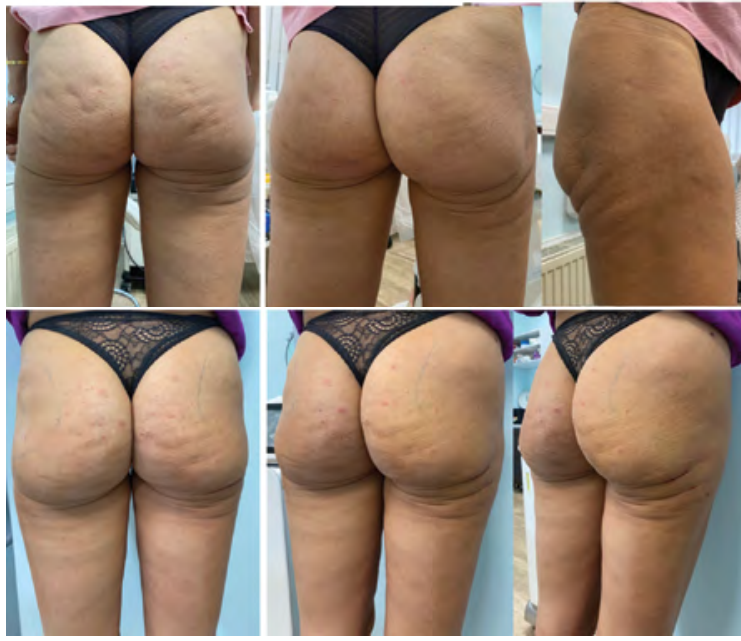
PHOTO 1. Patient N. before and after the course of injectable treatments
The injectable treatment covered an area significantly larger than the problem areas the patient had complained about because the anterior lateral and posterior thigh regions contribute to ptosis of the buttocks and the area beneath them.
One month after the course of mesotherapy and biorevitalization, microneedling RF lifting was performed. The method is based on the application of high-frequency current to the deep layers of the skin. Results were noticeable after just one session. Rejuvenation and increased skin density were observed in the treated areas (buttocks, anterior, posterior, and lateral surfaces of the thighs, and above the knees). A pronounced tightening effect was achieved through improved circulation and neocollagenesis under thermal stimulation. The effect continues to increase over time (Photo 2).
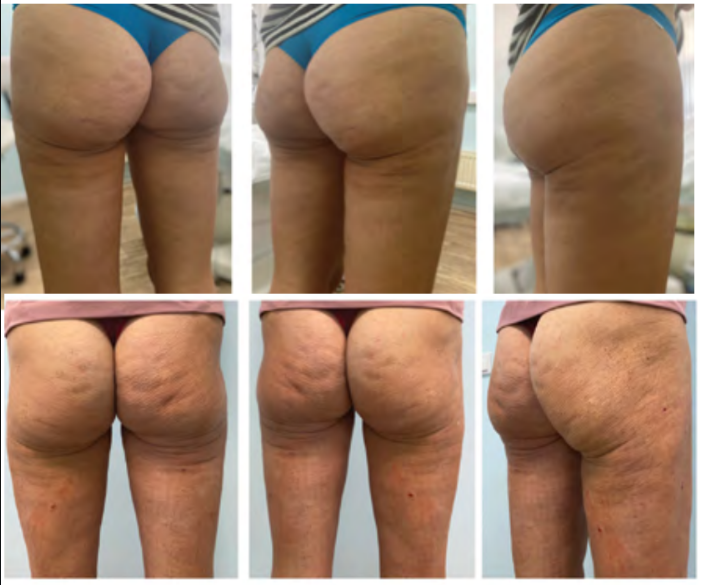
PHOTO 2. Patient N. before and after the microneedling RF lifting procedure
One month after the microneedling RF lifting procedure, a course of two procedures involving poly-L-lactic acid (PLLA) was performed. The interval between procedures was one and a half months. The treatment was aimed at enhancing stimulation of the body’s own collagen production. The doses used were:
first procedure –1269 mg/80 ml (or 2 vials of PLLA, 630 mg/40 ml each), reconstituted according to the standard protocol with water for injection;
second procedure – 600 mg/30 ml (or 2 vials of PLLA, 200 mg/10 ml each), reconstituted according to the standard protocol with water for injection.
The product was administered by cannula using a fanning technique in specific areas (Photo 3). Following the procedure, increased skin turgor and a noticeable reduction in excess skin were observed (Photo 4).
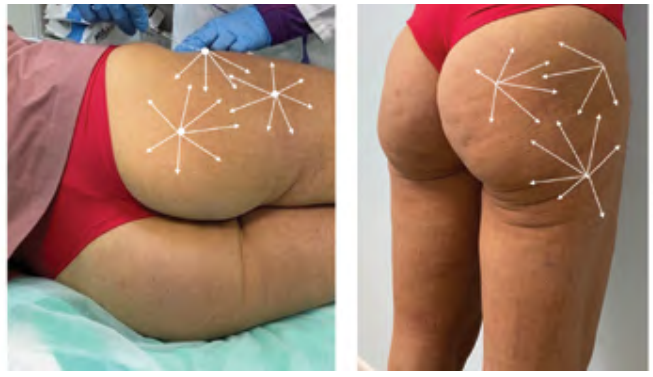
PHOTO 3. Diagram showing the administration of poly-L-lactic acid to patient N.
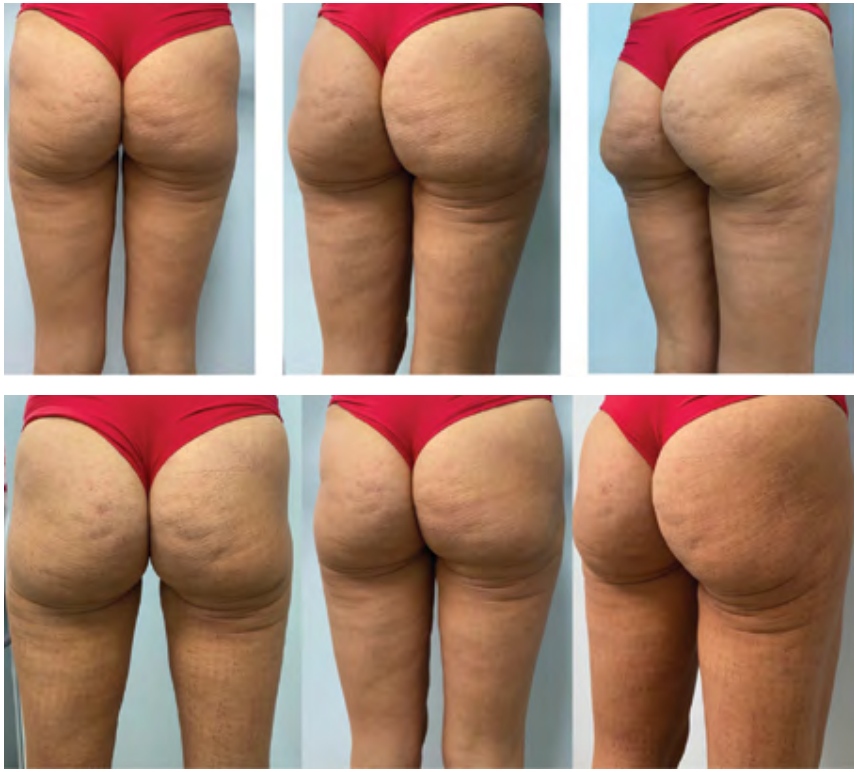
PHOTO 4. Patient N. before and after after two procedures with poly-L-lactic acid
Two months after the poly-L-lactic acid procedure, the lateral surfaces of the buttocks were volumized using hyaluronic acid-based fillers, with a total volume of 120 ml for both buttocks. The result was increased fullness and the absence of indentations. According to the patient, she developed the sensation of having “augmented buttocks” (Photo 5).
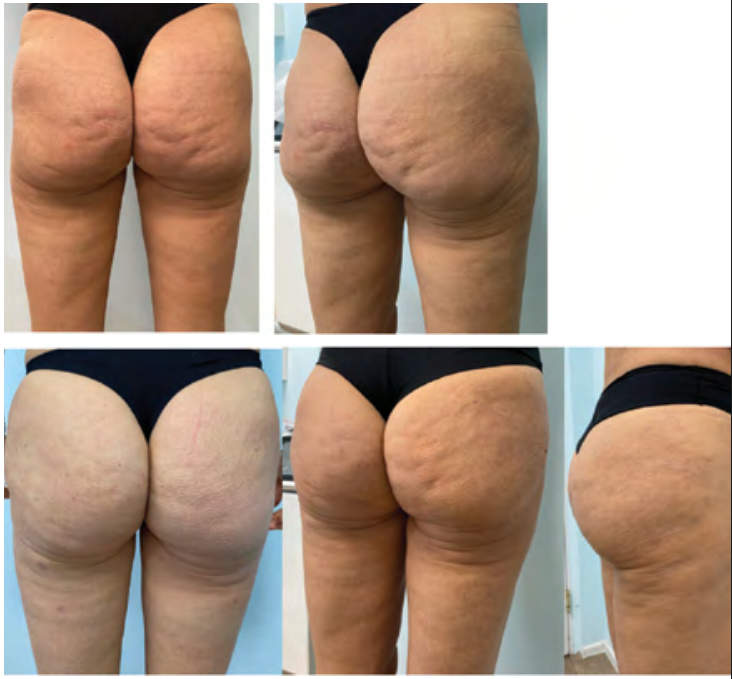
PHOTO 5. Patient N. before and after volumization of the lateral surfaces of the buttocks with hyaluronic acid-based fillers
Conclusion
Achieving a good clinical outcome requires a comprehensive approach combining different treatment courses and modalities that target different levels of pathogenesis and address multiple concerns. It is important to plan the sequence of procedures carefully and to discuss and explain to the patient why they are necessary to achieve the desired result. Take a thorough medical history, taking into account lifestyle, genetic polymorphisms (if testing is available), dietary supplement use, hormonal imbalances, etc.
This clinical case demonstrates that an excellent result, satisfactory to both the patient and the physician, can be achieved without surgery through the considered combination of injectable and device-based methods (Photo 6).
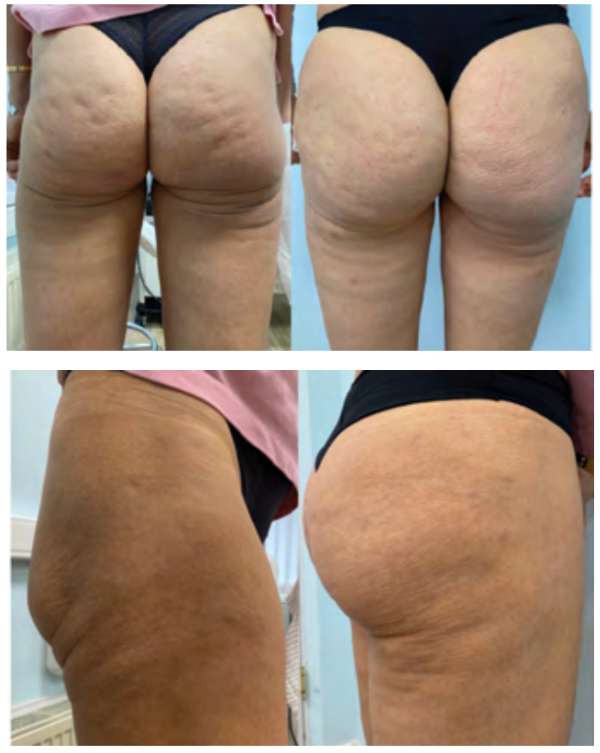
PHOTO 6. Patient N. before and after the course of combined procedures