

Compression-Ischemic Syndrome in the Facial Artery Region Following Nasolabial Fold Contouring: A Case Report
Machine translation
Original article is written in RU language (link to read it) .
Patient A. first consulted a specialist at the age of 32. Her goal was to improve skin quality, restore lost volume, and visually lengthen the lower third of her face (Photo 1). The patient is of Asian ethnicity (Korean). Examination revealed a tired aging morphology, Fitzpatrick skin phototype II, and dry, dehydrated skin. Her face was round and flattened. The lower third of the face was underdeveloped, with a receding, flat chin.
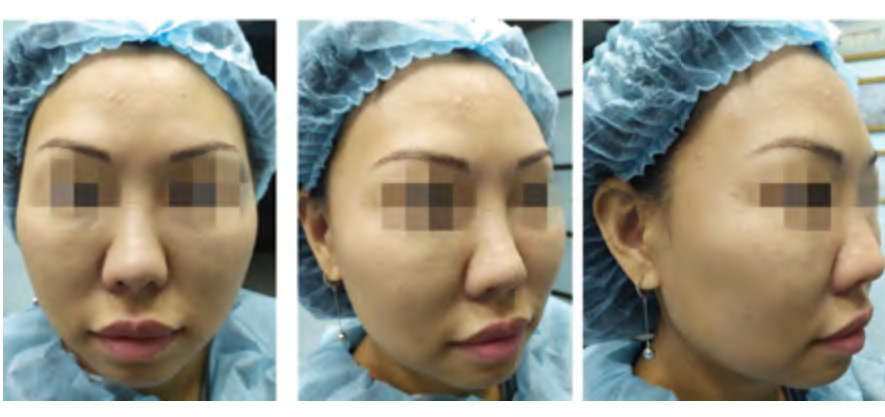
PHOTO 1. Patient A., 32 years old, before correction
At the first stage, botulinum toxin treatment was performed on the upper third of the face – 50 units (glabella – 35 units, forehead –15 units of 500-unit botulinum toxin). Two months after botulinum toxin treatment, a course of biorevitalization, and bioreparation, improved skin quality, smoothing of the nasolacrimal groove, and reduction of signs of fatigue were evident (Photo 2). Several procedures were performed to augment the midface (malar area, nasolacrimal groove), as well as the lips (medium-density filler “Juvederm Ultra 3”) and chin (Photo 3), using fillers based on hyaluronic acid, predominantly high-density ones. Three months after the injection course and contouring, signs of volumization of the lower third of the face were visible; the chin had become more elongated and voluminous.
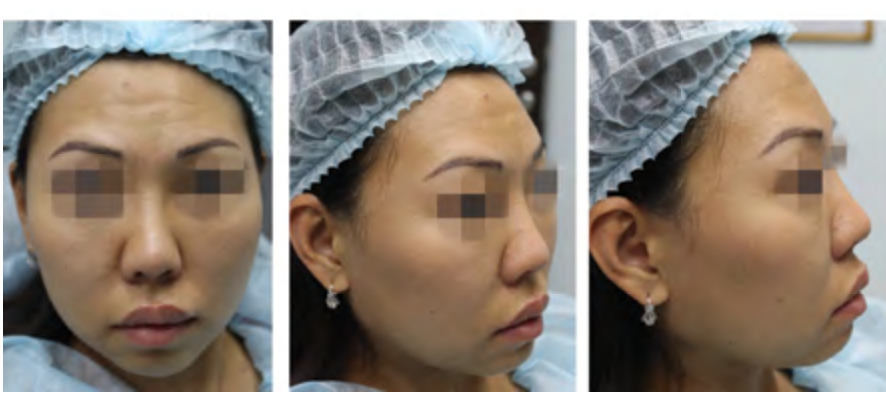
PHOTO 2. Patient A. two months after botulinum toxin treatment, a course of biorevitalization, and bioreparation
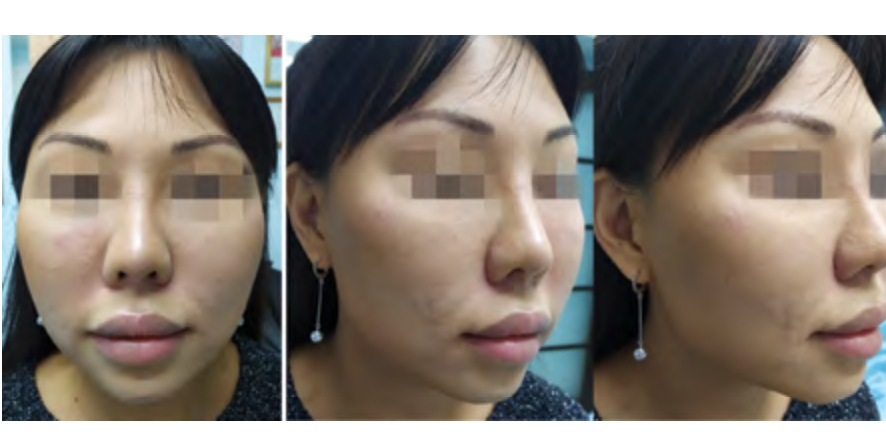
PHOTO 3. Patient A. three months after the injection course and contouring
A year and a half later, following a car accident and surgical procedures to reconstruct the facial bone structures, the patient returned. A series of procedures was performed to improve skin quality using collagen-stimulating calcium hydroxyapatite preparations (3 ml of Radiesse, diluted 1 : 2 in 0.9% NaCl saline, plus 1 ml of lidocaine (total preparation volume 10 ml)), biorevitalizing agents (Filorga NSTF 135 HA+ – 2 procedures one week apart), the bioreparant Hyalrepair 0,8 – 2 procedures 3 weeks apart; and the biorevitalizing agent Hyalual 1,1% – one procedure.
To harmonize the face and restore lost volume in the malar area, chin, and lips, medium-density fillers were used: Hyfluform normal – 1 ml, Teosyal Ultra Deep (lips) – 1 ml, Sub derm – 2 ml (chin, cheeks). Postoperative soft-tissue depressions of the face were corrected (Photo 4).
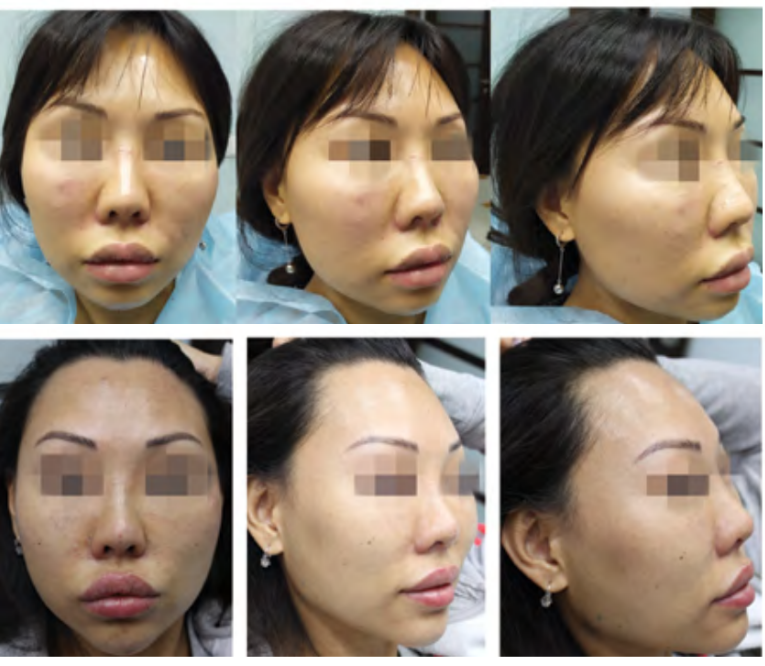
PHOTO 4. Patient A. before and after correction to harmonize the face and restore its volume
However, despite the improvement in skin quality, the patient asked to “fill in” the nasolabial folds above the nasal ala, as she felt that they had a different shape on an Asian face. During the procedure, 1 ml of a medium-density preparation (0.5 ml on each side) was introduced using a cannula up to the junction of the nasal ala and cheek area, in the region where the facial artery transitions into the lateral nasal artery. The cannula was inserted from the lower third of the nasolabial fold projection. A complication occurred in the form of compression-ischemic syndrome in the facial artery region.
Clinical symptoms began to appear 3 hours after the procedure: a “livedo effect” (mottling of the skin) developed. It was only 10 hours later that the patient came to the clinic, already with areas of infection around the nose, symptoms of nasal congestion and tearing, and a feeling of numbness in the area (Photo 5).
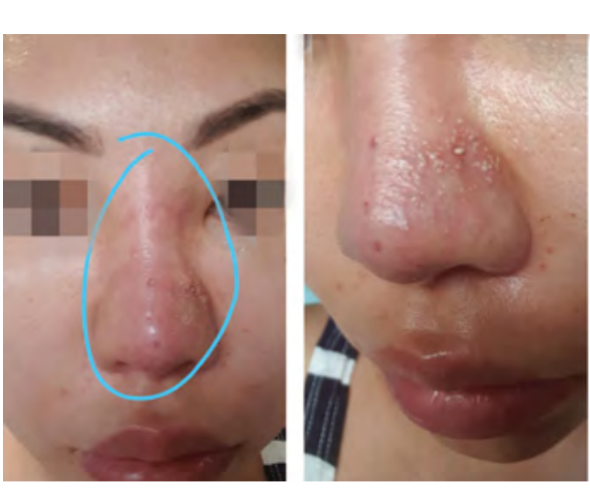
PHOTO 5. Presentation of compression-ischemic syndrome in the facial artery region in patient A. after contouring of the nasolabial folds
During history-taking, it emerged that the patient was allergic to foreign proteins (Longidaza, hyaluronidase) and several antibiotics. Treatment had to be carried out in hospital, where individually selected antibiotics and other medications were administered intravenously (Photo 6).
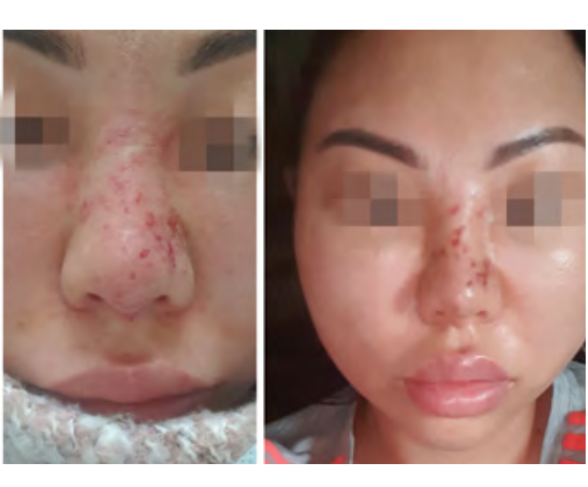
PHOTO 6. Patient A. during recovery
The following procedures were performed in the emergency department. After a test dose: cefotaxime 1 g + saline 100 ml IV; dexamethasone 8 mg + saline 100 ml IV; Metrid 100 ml IV; Allergopress 1,0 IM.
Treatment: cefotaxime 1 g + saline 100 ml IV; Flunol 150 mg, one capsule once on the 3rd day of antibiotic treatment; Metrid 100 ml IV for 3 days; Allergopress 1,0 IM once daily.
The nose was treated with an antiseptic solution 2–3 times a day.
The patient currently continues to address age-related skin concerns as needed. Taking into account the patient’s individual characteristics and tissue anatomy following surgery, thread lifting was performed (Dual Molding PDO threads). The threads were placed from the temporal scalp area, with the exit point at the level of the line connecting the corner of the mouth and the earlobe. The aim was to redistribute soft tissues to achieve a lifting effect.
To create a triangular face shape, filler was injected into the chin area – Hyfluform sub derm (2 ml), and the lips – Hyfluform deep (1 ml) (Photo 8).
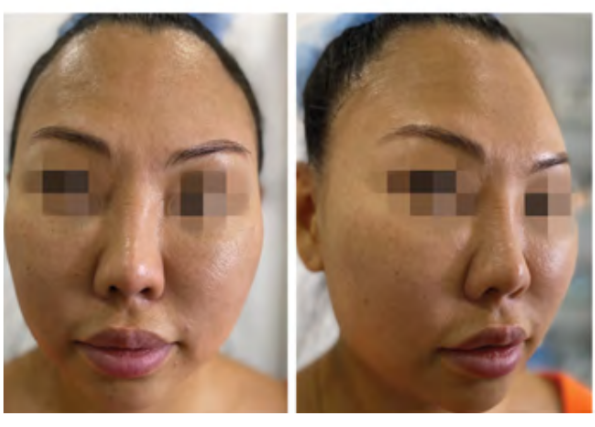
PHOTO 7. Patient A. after resolution of the complications
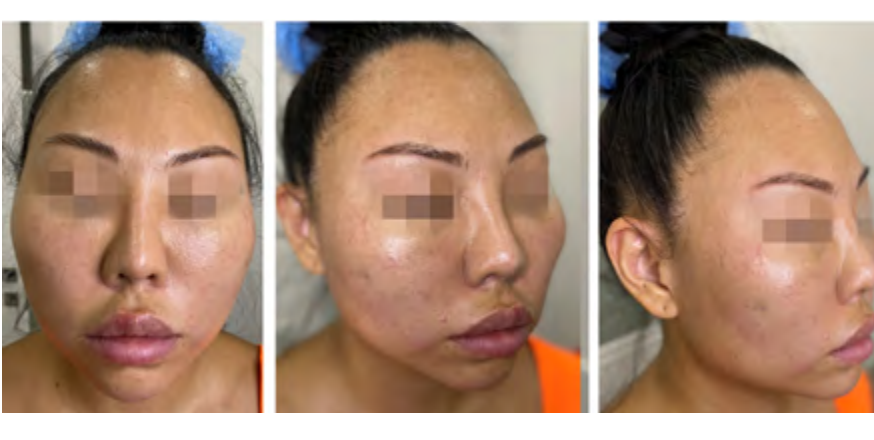
PHOTO 8. Patient A., 32 years old, after thread lifting and correction of the chin, post-traumatic depressions, and lips
Conclusions
It is important for a specialist to recognize the boundary between a patient’s wishes and what a cosmetologist can achieve. One should not simply comply with an often unreasonable request, as happened in this case when the patient asked to have her nasolabial folds corrected. The patient’s condition must be taken into account, a thorough medical history taken, and the facial skin assessed after procedures (surgery, device-based treatments), since these can alter the position of major vessels and their anastomoses, as well as microcirculation. An aspiration test does not provide a complete guarantee; false-negative results are possible. It is very important to take the allergy history into account when developing different treatment and rehabilitation protocols following adverse events. We recommend supporting the patient through to the resolution of any situation that arises – this is how we earn their trust and respect. Successfully managing adverse events gives us greater confidence in our work. Ultimately, we achieved a well-groomed appearance and an elongated, triangular face shape with harmonious proportions. Importantly, the patient is pleased with the transformation (Photo 9).
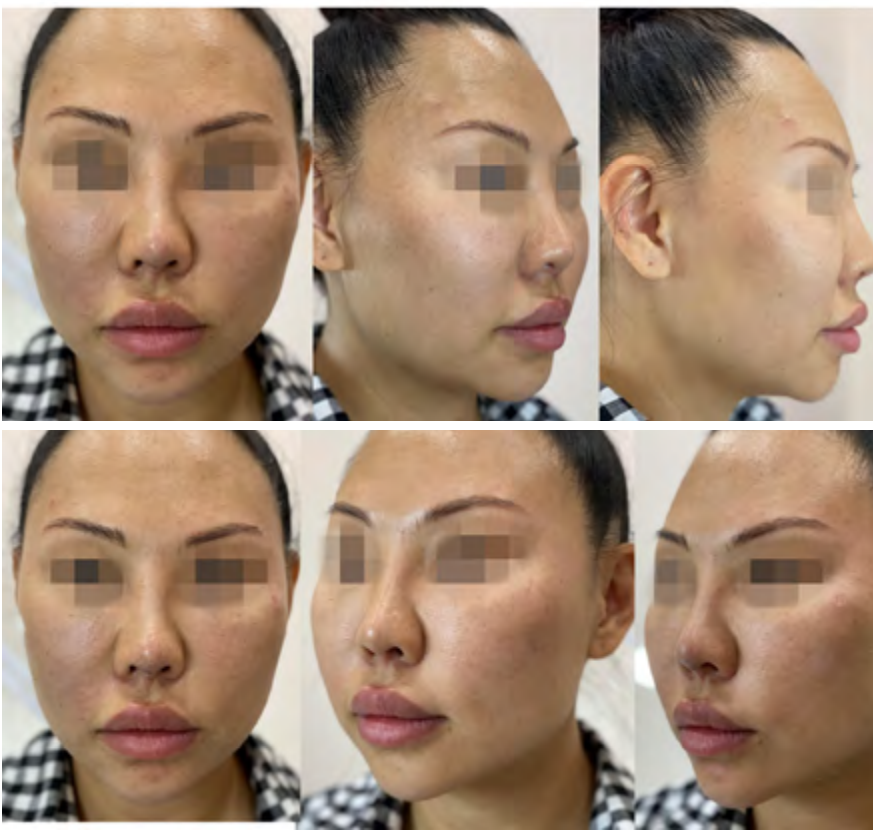
PHOTO 9. Patient A., 40 years old, after 8 years of staged facial correction