
Breathing patterns drive craniofacial growth
Breathing isn’t static-it’s a living, adaptive process that shifts with every movement we make. Breathing patterns vary significantly depending on physiological state and body position.
How normal breathing affects our health
Breathing is not just getting air in and out, it influences almost every system in the body. It controls:
- Sleep quality-steady breathing helps you fall asleep and stay asleep more easily
- Stress levels-calm breathing lowers stress and supports relaxation
- Blood pressure-proper breathing helps to maintain normal blood pressure
- Body’s pH balance-breathing regulates acidity and alkalinity in the body
- Autonomic nervous system-it affects the autonomic functions like heart rate and digestion
- Oxygen transfer and release-efficient breathing allow oxygen to flow into the body’s cells and tissues
- Immune system strength-good breathing supports your body’s defense against illness
- Cell repair and regeneration-oxygen supply help cells heal and renew themselves
- Microbiome health-breathing influences the balance of bacteria in the mouth, lungs and gut
Why does breathing go wrong?
We tend to breathe abnormally or dysfunctional when structural or medical conditions interfere with the airway. Common contributing factors include the following:
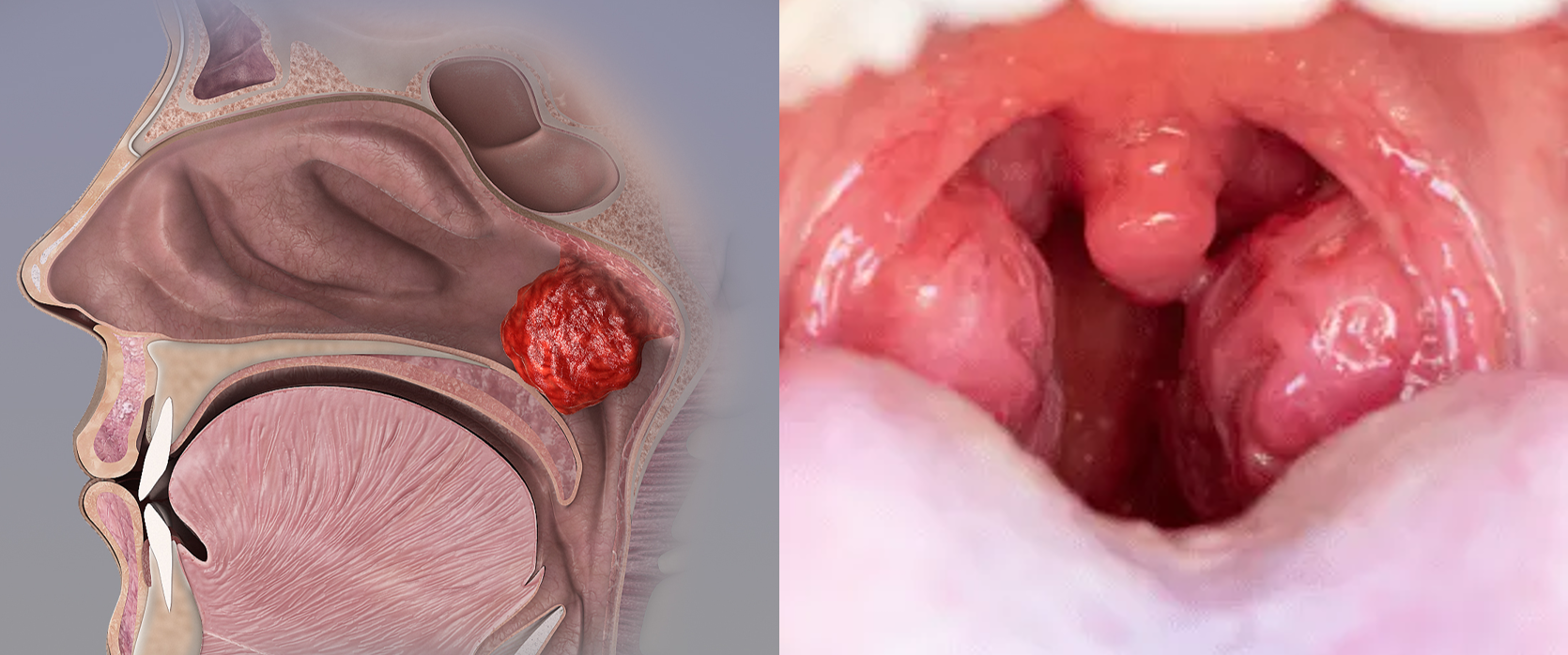
- Enlarged adenoids
- Enlarged tonsils
- Underdeveloped jaws
- Allergies
- Tongue-tie (ankyloglossia)
- Deviated septum
- Harmful habits…
Which is the natural way of breathing?
Breathing at rest:
- Nasal breathing-at rest, air should always move in and out through the nose, not the mouth.
- Volume of air exchanged-a healthy resting breath typically moves about 4-5 liters of air per minute.
- Breathing rate-the normal rhythm is around 8-10 breaths per minute.
- Diaphragm led breathing-each breath should be powered primarily by diaphragm, ensuring efficient oxygen exchange and relaxed respiration.
- Mouth posture-the lips remain gently closed, supporting nasal breathing and proper airway function.
- Silent breathing-resting breath should be quiet. If you can hear someone breathing, it often signals dysfunction or irregularity in their breathing pattern.

Why do we over breathe?
Over breathing often begins with stress. When we feel threatened or pressured, our autonomic nervous system automatically activates the fight-or-flight response. This reaction is the body’s way of preparing us to face or escape danger.
Breathing under load:
- Secondary breathing patterns typically emerge when the body is placed under physical or physiological stress.
- The chemical balance of respiration is generally restored within a tolerable recovery period, ensuring stability in oxygen and carbon dioxide expression.
- Beyond its physiological role, breathing serves as a fundamental mechanism for speech production, acting as the primary driver of vocal expression.
The impact of Chronic stress:
- If stress becomes chronic and ongoing, our altered breathing patterns may turn into a new “normal”. This means that body adapts to breathing in a way that is not natural or healthy. Over time, this constant state of high alert can harm our health.
- The human body was never designed to remain in permanent survival mode. Continuous stress and over breathing place unnecessary strain on our system, leading to long-term consequences for both physical and mental well-being.
Dysfunctional Breathing:
- Breath rate-typically elevated, around 16-20 breaths per minute
- Ventilation volume-approximately 8-10 liters of air per minute
- Mechanics-breathing driven mainly by the upper chest rather than the diaphragm
- Dynamics-air movement predominantly through the mouth, both inhalation and exhalation
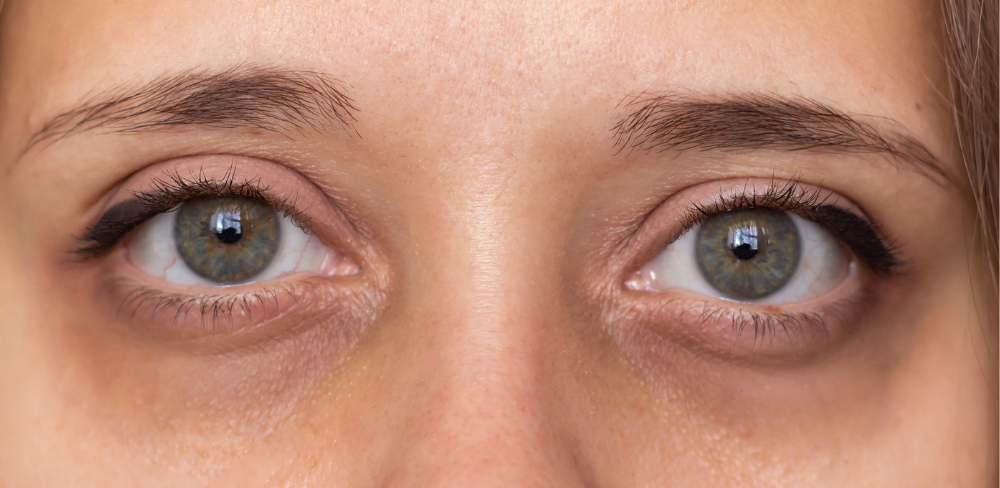
- Appearance-stressed facial expression, pale complexion and overall fatigued look, elongated face (adenoid face),lips remain parted, dark periorbital circles, flattened nasal contour.
- Posture-slouched body with the head positioned forward
- Sounds-noisy, harsh breathing compared to quiet nasal respiration
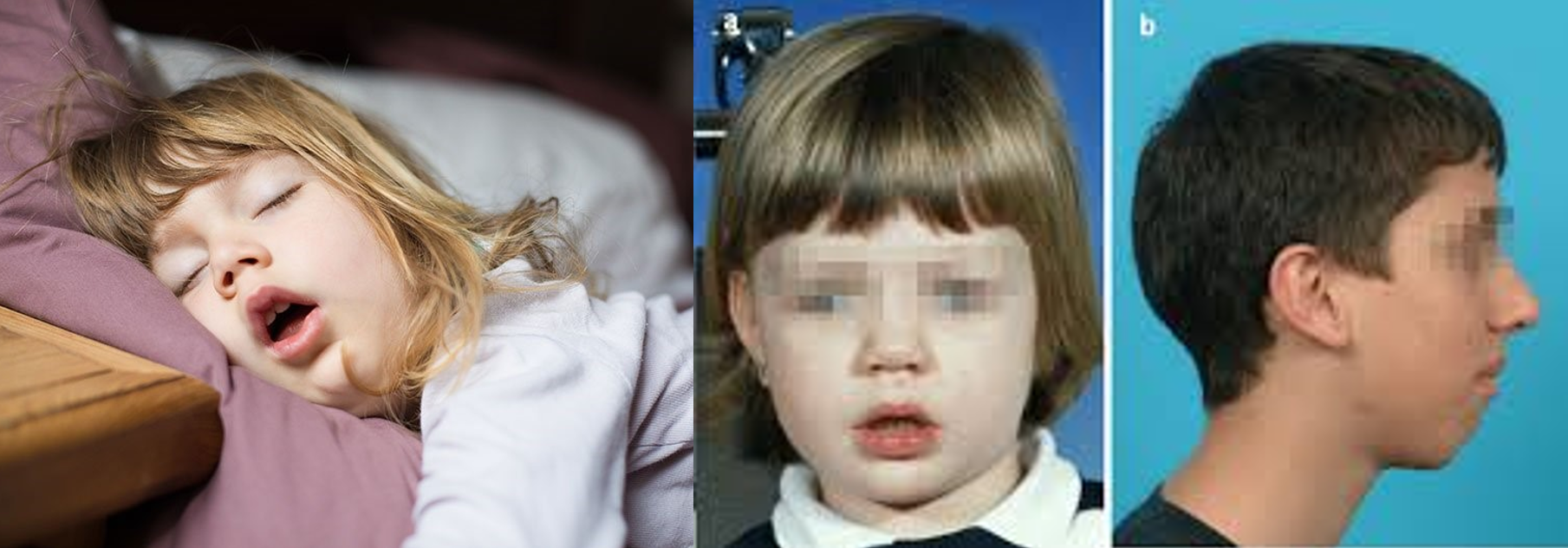
Because breathing touches so many vital processes, it’s easy to see how dysfunctional breathing can contribute to a wide range of health problems.
Oxygen Transport and Blood pH regulation
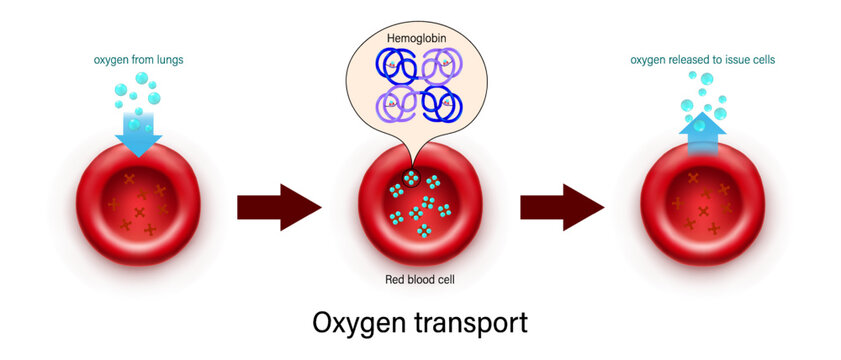
For human body to function properly, it must continuously collect oxygen from the lungs and deliver it to tissues. This process depends on hemoglobin, the protein in red blood cells that binds oxygen.
The efficiency of oxygen binding and release is influenced by slight changes in the pH of arterial blood, a phenomenon known as the Bohr effect.
- In the lungs, where blood pH is closer to the upper end of the normal range (around 7,45), hemoglobin has a higher binding strength for the oxygen, allowing it to bind effectively.
- At the tissue level, metabolic activity produces carbon dioxide, which lowers local pH toward 7.35. acidity reduces hemoglobin’s affinity, encouraging oxygen release to the cells that need it.
It is very important to remember that oxygen transport is finely turned within this narrow window, which is normal blood pH balance 7.35-7.45.
And most importantly, what controls Blood pH? Breathing-it is the primary regulator of blood pH . By adjusting the rate and depth of breathing, the body controls carbon dioxide levels, which directly influences acidity.
Acid-base balance and carbon dioxide
The body must constantly monitor and adjust its internal environment to stay balanced. Chemoreceptors located throughout the body send signals to the brainstem, which acts as the main control center for breathing. Out breathing habits influence how this center responds, ensuring that each new breath Is taken when needed.
The relationship between the airway tract and malocclusion
A significant cause of dental crowding is the underdevelopment of the arches, especially the upper jaw. Proper airway function and correct tongue positioning supports natural maxillary growth, which typically results in adequate space for teeth and prevents crowding.
It is recommended that children should have their first orthodontic check-up by age 7. By this time, the first permanent molars have usually come in, which helps dentists see how the bite is forming, the front teeth also start to appear, giving a clearer picture of whether the jaws and teeth are lining up properly. Age 7 is therefore an important stage for spotting early orthodontic problems, even if treatment is not needed right away.
If a child has a breathing problem, such as sleep apnea, orthodontists may start treatment earlier. Breathing issues can affect brain development, sleep quality, and overall health.
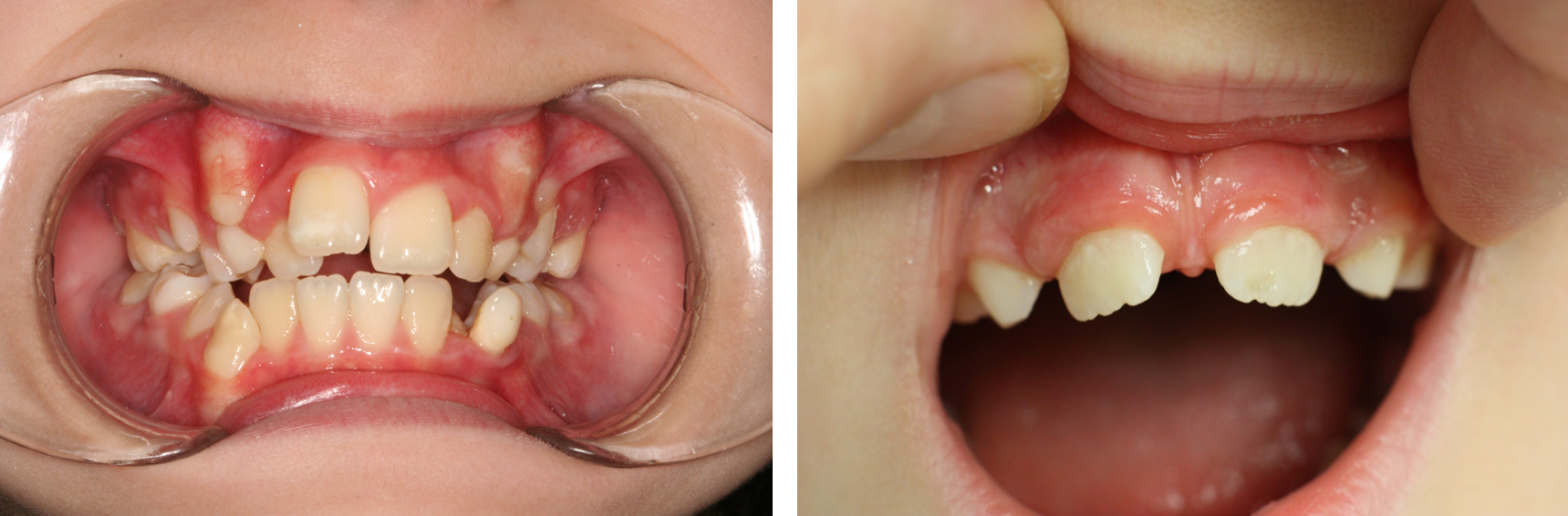
In short: age 7 is the key time for an orthodontic check-up, but if breathing problems are present, earlier actions can make a big difference in child’s health and development.
Growth of Nasomaxillary complex
The nasomaxillary complex (the upper jaw and nasal structures) plays a main role in facial growth and airway development. Ideally this complex grows downward and forward, shaping the midface and supporting proper dental alignment. Importantly, most of this growth occurs very early in life. By age 12, skeletal adaptability is already limited, and orthodontic expansion on this stage produces mainly dental changes rather than true skeletal modifications.
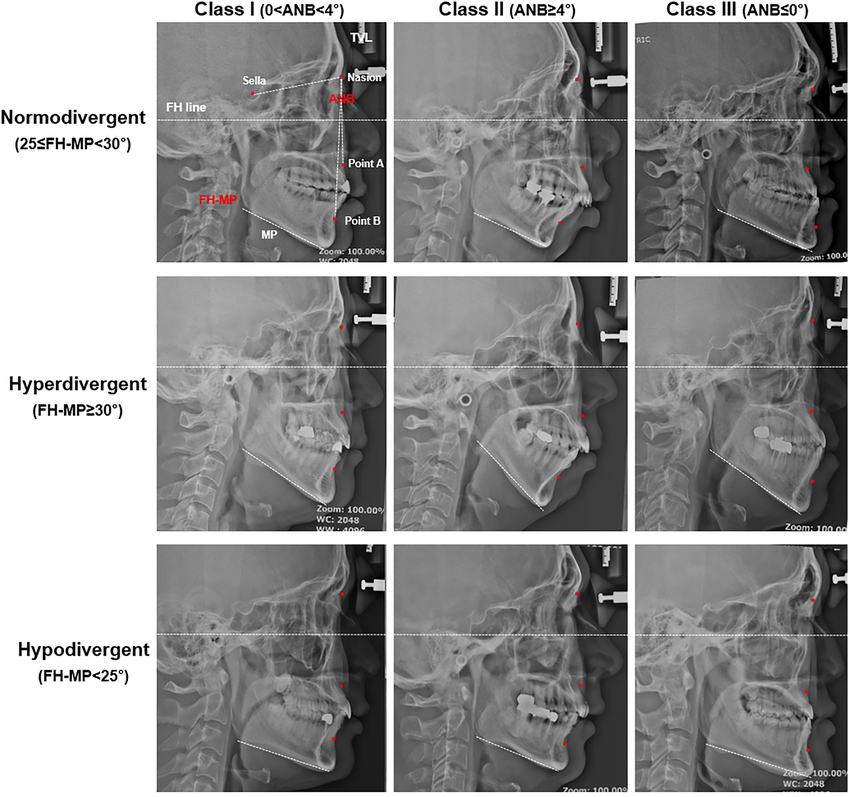
Class I occlusion represents the ideal anatomical relationship between jaws, providing both functional harmony and optimal airway dimension. In contrast.
Class II malocclusion is characterized by a distal mandibular position, which reduces the nasopharyngeal and adenoidal space. This posterior displacement of the jaw compromise airway patency, often resulting in restricted airflow and breathing difficulties.
Class III malocclusion, on the other hand, is generally characterized by the greatest oropharyngeal volume and a comparatively clear airway space, setting it apart from the remaining occlusal categories.
Airway health is another key factor
For example, enlarged adenoids can obstruct nasal breathing and force children to breathe through the mouth. Chronic mouth breathing alters tongue posture and jaw development, leading to narrow arches, elongated face patterns and compromised maxillary growth. If adenoids are removed only at age 12, much of the growth disturbance has already taken place.
Clinically, younger patients benefit from slow, controlled expansion, which encourages stable skeletal changes and harmonious facial growth. In contrast, older patients often require more intensive approaches, such as rapid expansion or orthognathic surgery, because their skeletal growth is mostly complete.
To summarize: the earlier the intervention, the greater the potential for guiding natural skeletal growth. The later the treatment, more limited the changes and more invasive procedures required.
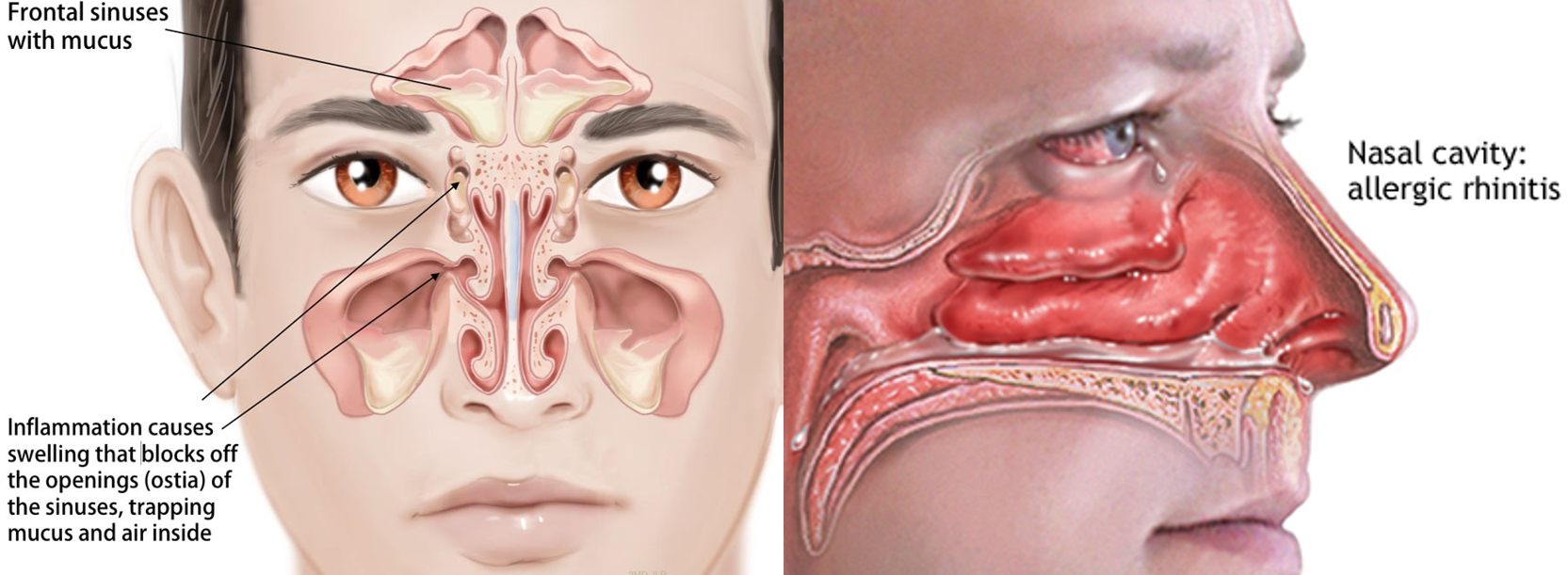
Allergy
Swelling of the nasal and sinus lining caused by allergies often leads to mouth breathing. It can range from mild airway irritation to life-threatening reactions like anaphylaxis. Allergy is an immune response which occurs when the immune system overreacts to harmless substances (pollen, dust, mold, food...). There are some conditions which are chronic, for example chronic allergic rhinitis-patients have persistent nasal congestion, sneezing, runny nose-mouth breathing.
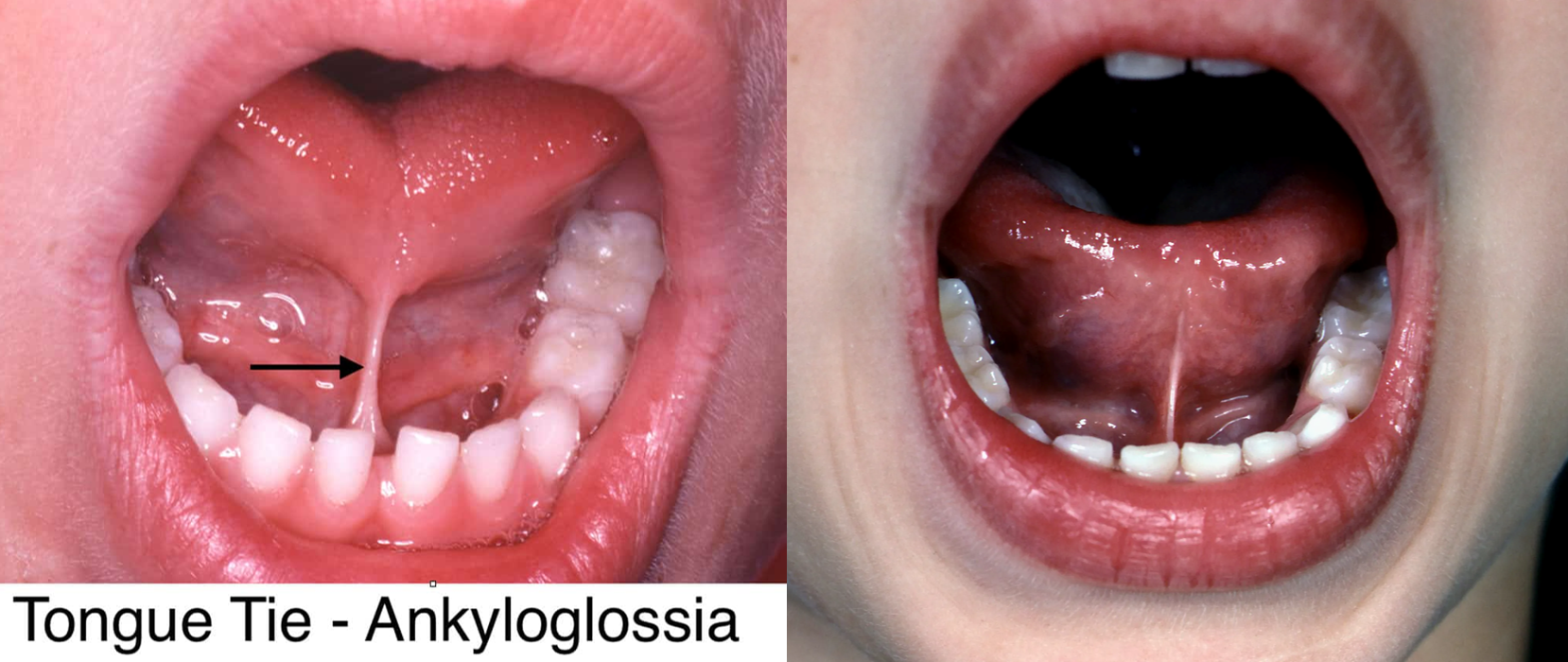
Tongue-Tie
Tongue-tie is a condition that restricts how the tongue moves, caused by tissue that anchors it too firmly to the floor of the mouth. The restriction can involve the mouth lining, connective tissue, or the tongue muscle, and in certain cases scar tissue contributes to the difficulty.
For effective breathing through the nose, the mouth should remain closed, and tongue should rest firmly against the palate. This creates a gentle vacuum inside the oral cavity, allowing air to flow naturally through the nasal passages.
During childhood tongue pressure against the palate plays a crucial role in shaping and expanding the palate. However, when tongue mobility is restricted due to tongue tie. The tongue cannot maintain its correct resting position. This leads to mouth breathing, which in turn disrupts normal palate development.
A poorly positioned tongue results in a Narrow palate. Since the roof of the mouth also forms the floor of the nasal cavity, a constricted palate directly causes a reduced nasal airway. Consequently, children with tongue tie often develop both an underdeveloped palate and mouth breathing.
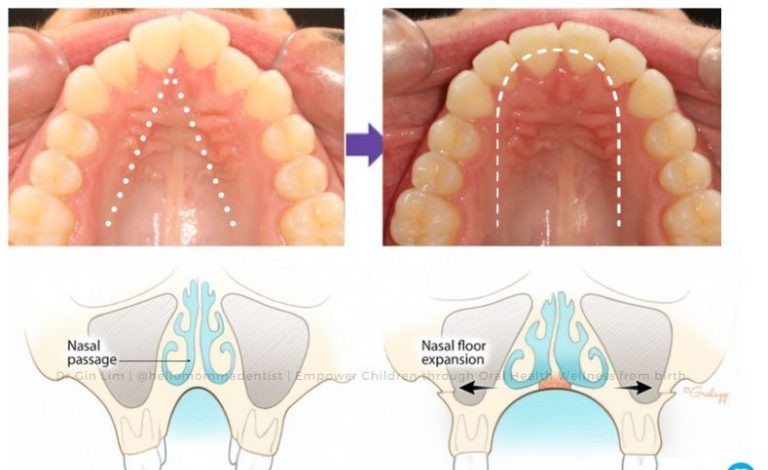
If left untreated, this condition progresses: first, the tongue tie must be corrected to restore proper tongue posture. Second, the palate should be widened with orthodontic appliances to ensure normal growth. If intervention is delayed until after skeletal maturity, surgical treatment may become the only option.
tongue up=broad palate=nose breathing tongue down=narrow palate=mouth breathing
While the roof of the mouth is a floor of the nose, roof of the maxilla is a floor of the orbit. So, patients with maxillary deficiency have:
- Noticeable depression below the orbit
- Increased scleral exposure
- Downward positioning of the lateral canthus
- Flattening of the midface due to diminished projection of the infraorbital rim and zygomatic area.
Tongue tie can be treated surgically.
Treatment
Treating children’s facial growth and breathing problem isn’t about one single step-it’s a process that works best when several pieces come together.
First, we need to make sure the child has a clear nasal airway so they can breathe properly through nose. If there is a nasal airway problem, such as enlarged adenoids, we refer the patient to an otorhinolaryngologist for treatment.
Next, we widen the palate and guide the jaws into the right position.
After that, we retrain the muscles with myofunctional therapy. This step is especially important because weak or poorly trained muscles often collapse and make breathing harder. Strengthening them makes a big difference in long-term results.
It’s also important to understand that removing tonsils or adenoids doesn’t always fix breathing habits. Even if the obstruction is gone, many children continue mouth breathing unless their muscles and posture are retrained.
In conclusion, successful treatment means opening the airway, correcting jaw position, and retraining the muscles. Each step matters, and together they create healthier breathing and better facial growth.