

Cannula Correction with Fillers
Machine translation
Original article is written in RU language (link to read it) .
The protocol for beautification of the lower third of the face using the "Jolie profile" technique with Soprano Volume fillers.
Introduction
Correction of the lower third of the face is one of the most common requests from patients seeking anti-aging procedures, as the condition of this area is crucial when it comes to age-related changes.
In clinical practice, the doctor should consider the characteristics of the chin area. The skin here is thickened and less mobile due to fibrous bands that penetrate the subcutaneous fat and extend deep. Often, with involutional changes, there is a significant enhancement of the skin pattern and signs of hyperkeratosis. Therefore, before starting the beautification process, it is necessary to work on the quality of the skin.
If the tissues are thin, muscular activity is reflected on the skin, and in such cases, the optimal solution is botulinum therapy to correct unwanted muscular activity. Only after this can subdermal filler injection be performed to smooth out wrinkles and improve the aesthetic perception of this area.
When making a decision about correcting aesthetic deficiencies of the face and creating an image, it is important to consider the overall impression that the patient's appearance will make on others. The perception of the face includes both static and dynamic components.
The dynamic component of the image is emotionality. All human emotions, both positive and negative, are expressed through facial activity. Facial wrinkles are individual in nature and primarily depend on the degree of involutional changes and the prominence of subcutaneous adipose tissue. Over time, wrinkles transform into static folds and can be perceived by others as manifestations of the character traits of the individual, as they often reflect the person's lifestyle and emotions.
The static component consists of the shapes, volumes, and proportions of the entire face and its individual areas, as well as the degree of expression of age-related structural changes. The static component is largely of congenital or genetically determined nature, except for those changes that have arisen due to damaging factors (birth injuries, inflammatory processes, such as inflammation of the trigeminal or facial nerves, dental diseases leading to disruption of the dental arch, and other pathologies). It has been noted that at different periods of life, chronological changes in tissues among close relatives can be quite similar, which in some cases can serve as a guideline for the doctor when planning a course of procedures. For example, if a young female patient begins to show a slight heaviness in the chin area due to an increase in adipose tissue volume, and her mother and/or grandmother already have a pronounced fat trap in the submental area, then necessary measures should be taken in advance to prevent the further development of a pronounced visual aesthetic deficiency.
Dividing the face into upper, middle, and lower thirds is convenient in clinical practice for understanding the necessity of placing individual zonal accents and their influence on the perception of the image as a whole. The lower third of the face is very important in this regard.
The most common complaints from patients regarding changes in the lower third of the face:
- the appearance of wrinkles,
- increased prominence of physiological folds,
- protrusion of bones,
- visibly enlarged blood vessels,
- drooping corners of the mouth and reduced lip volume,
- change in chin shape,
- ptosis of soft tissues,
- deformation of the facial oval.
The most common patient requests for correction:
- lifting of the soft tissues of the face,
- reduction of the depth of folds and wrinkles,
- improvement of the facial oval,
- change (reduction or increase) in the width of the face,
- lifting of the corners of the mouth,
- correction of the shape of the lips and chin,
- harmonization of appearance (for example, creating a more feminine, sensual image: for this, the chin is rounded during modeling to remove pronounced sharpness. When creating a masculine, brutal image, the facial sculpture, on the contrary, is sharper and wider).
The desire to look young and well-groomed unites both men and women. Youth and grooming are primarily characterized by good skin quality: uniform color, smooth texture, firmness, and the absence of wrinkles, folds, neoplasms, and pathologically dilated vessels. One of the signs of youth is also well-defined angles of the lower jaw. If a patient has an excess of subcutaneous fat and/or pronounced ptosis, this important feature is blurred.
Chin
The chin, as an important element of the face, not only determines its shape and size but also endows its owner with subjectively defined character traits. A prominent square chin is associated with willpower, courage, and determination. These qualities are highly valued in men, as they are perceived as signs of reliability and masculinity.
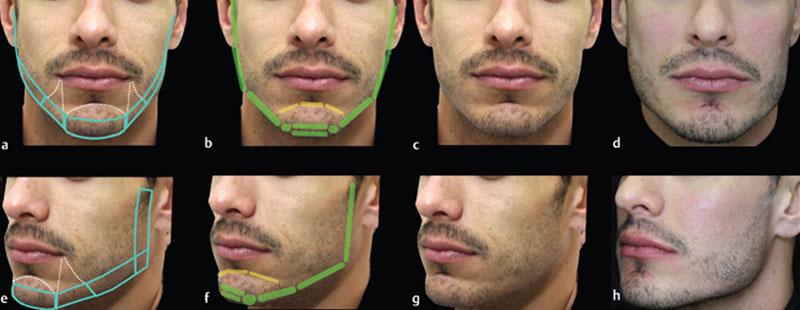
Men find smooth lines in women's facial features attractive. The roundness of features is associated with a compliant character, softness, and femininity. Therefore, by modeling the chin, we essentially change the perception of a person's character by others.
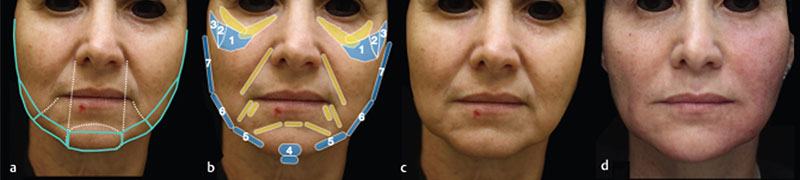
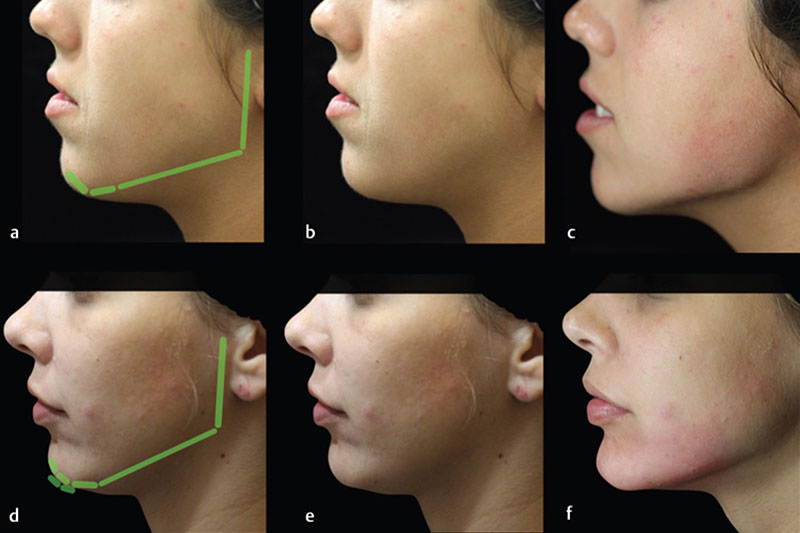
Sometimes the patient themselves negatively evaluates their chin area, finding features that seem to them to be defects: too large or too small size, unclear borders, an overly prominent chin, or localized fat deposits in the submental area. In such cases, the main task of correction is to eliminate the features that evoke negative emotions in the patient. However, it is important to remember that even a small correction can significantly affect the overall perception of the image. For example, changing the shape of the chin automatically alters the perception of the lips, cheekbones, cheeks, temples, and forehead. That is, by performing chin correction with just 1 ml of filler, we can radically change the characteristic perception of the patient's face.
Increasing the width and/or volume of the chin can lead to a visual reduction in the size of the lips or a change in their shape. Therefore, correction of the chin area is often performed simultaneously with lip correction — either at the same time or in stages.
Particular attention is paid to the correction of the labiomental fold if it is excessively pronounced or its position and unevenness distort the perception of the shape of the face. In some cases, it can emphasize asymmetry or create the illusion of a pronounced limitation of the chin, thereby shortening the face and creating an impression of incompleteness. In such situations, correction of the labiomental fold is performed using fillers.
When forming the transition to the lower lip, the image is carefully considered: if it is necessary to create a more decisive or brutal image, it is not advisable to completely smooth out the labiomental fold, especially if the goals of the correction include not only widening the chin but also increasing its volume.
Marionette lines, which run from the corners of the mouth to the chin, usually appear after the age of 30–35 due to age-related structural changes in the tissues and gravitational ptosis. These "unfriendly" wrinkles gradually turn into folds over time, creating a sense of sadness on the face. Their formation may be associated with hyperactivity of the muscles that lower the corners of the mouth, which can be easily addressed with the injection of botulinum toxin. The corners of the mouth are lifted, and shallow wrinkles are smoothed out, while more pronounced folds are filled with filler.
The transition to the lower lip is meticulously planned: when creating a more decisive (in the male version - more brutal) image, it is not advisable to completely smooth out the labiomental fold if the goals of the correction include not only widening the chin but also increasing its volume.
Materials and Methods
When assessing the indications for the procedure, the doctor must consider not only the patient's wishes but also the visible changes in anatomical structures that lead to the appearance of an unclear facial oval and uneven relief (protruding landmarks of fat pads in the middle and lower thirds of the face).
The ptosis of the SMAS layer leads to the displacement of fat pads and stretching of the mimic muscles in these areas. Compensating for the volume deficit in the projection of deep fat pads and strengthening the ligamentous apparatus in the projection of true ligaments towards the lower third – middle third results in a pronounced harmonization of the face, sometimes even instantaneously.
For this purpose, biodegradable fillers Soprano Volume based on stabilized hyaluronic acid without lidocaine are often used in a total volume of 1-3 ml for the entire procedure. These fillers have a high safety profile and effect duration of up to 12-15 months, consisting of a viscous elastic sterile gel with a volume of 1 ml in a syringe with a concentration of 26 mg/ml of hyaluronic acid (molecular weight 3,100 kDa) along with a cross-linking agent BDDE. The premium raw material of the Soprano Volume HTL S.A.S. product, France (approved by FDA, KFDA, the Ministry of Health of India, and RZN RF) has a residual endotoxin level 25 times below standards (0.02 UE/ml), eliminating both early and delayed adverse events such as swelling, contouring of the injected gel after the procedure, and in the distant periods. The moderate density and elasticity of the product allow it to be used for subperiosteal and subcutaneous injection in the area of the lower jaw with subsequent modeling in the correctable zones. A pH of 7.1 does not cause burning during injection into different layers and makes the procedure comfortable for the patient. The viscoelastic properties of the product (MoD 8.5%, dynamic viscosity 198 Pa, osmolarity 325 mOsmol/kg) allow the filler to be applied using a 27G * 13 mm needle (2 pieces included) or through a 22/25G cannula, taking into account the anatomical layers of soft tissues.
Clinical Case
Patient – female, 54 years old. Cosmetic history: contour plastic surgery with stabilized hyaluronic acid fillers for nasolabial folds – two years ago, contour plastic surgery for the middle third of the face – one year ago, this year – botulinum therapy Full Face (two months before the filler contouring procedure Soprano). Allergy history is unremarkable. Diagnosis: atrophic changes in the facial skin.
Objectively: indistinct facial oval line with hypertrophy of the fat pads in the lower third of the face, presence of medium-depth static folds in the projection of the corners of the mouth, mentolabial area, weakly expressed landmark of the angle of the mandible on the right and left, flat line of the chin area.
Indications for contour plastic surgery with stabilized hyaluronic acid fillers: slightly reduced skin turgor, moderate ptosis of the soft tissues of the face and submental area, smoothing of the neck-chin angle. When selecting the patient for the procedure, the thickness of the skin and subcutaneous adipose tissue (slight), mobility of the soft tissues, position of the hyoid bone, prominence of the parotid salivary gland, and tone of the platysma (hypertonicity excluded) were considered.
Procedure Protocol
1. Makeup removal and treatment of the face with a water solution of skin antiseptic.
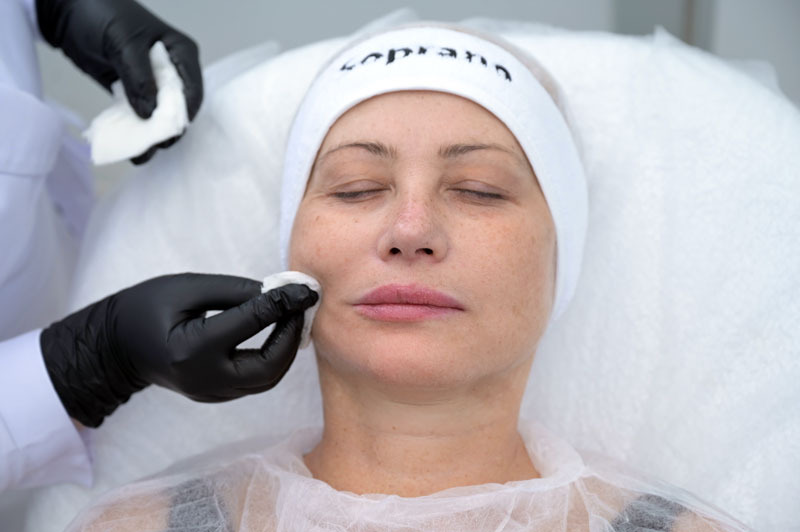
2. Marking on the face and assessment of the symmetry of the lower jaw.
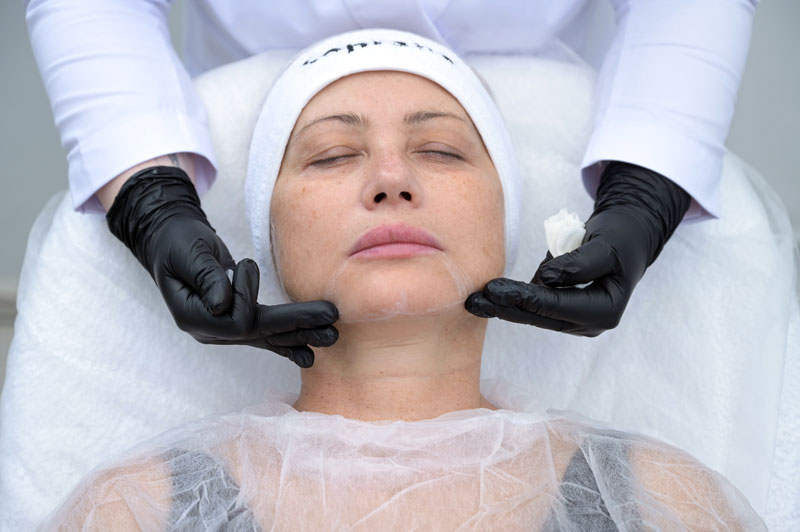
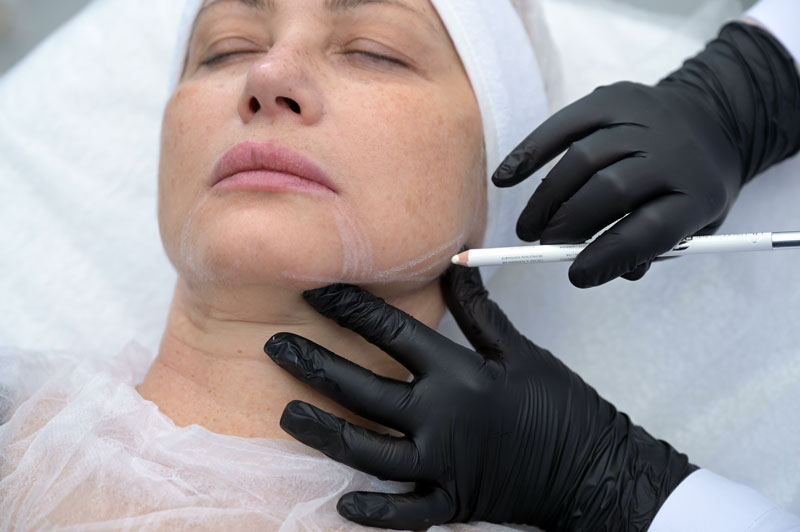
3. Choosing a 22G * 70 mm Soft Fil cannula as a guide (the needle "does not see" the layer, the cannula is more atraumatic, and the vector length corresponds to the length of the cannula during marking). Correction of the lower third of the face is planned: lateral part, oval, chin shape, folds in the projection of the perioral area.
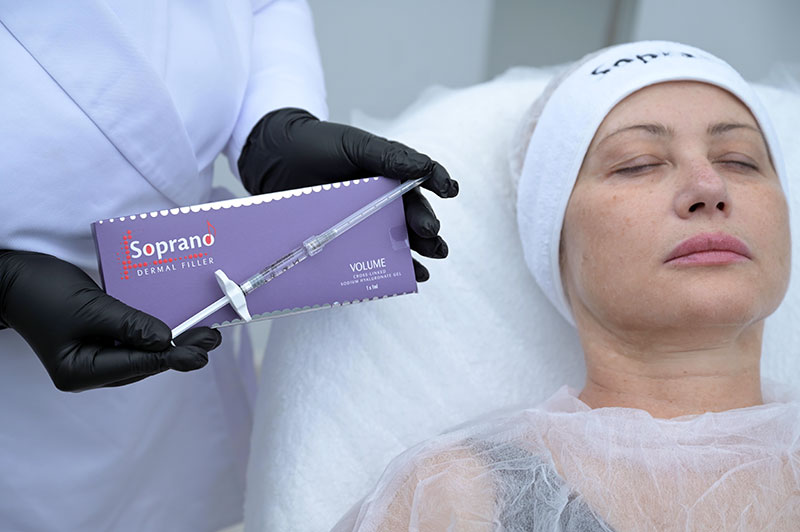
4. For the correction of the areas, the Soprano Volume preparation was chosen. The total consumption for the procedure is 3 mm.
5. Conducting the procedure
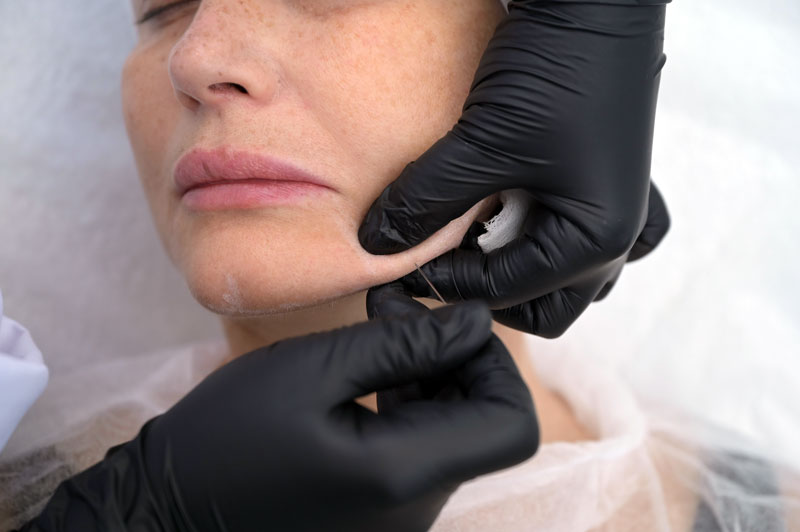
Injection with a 22G needle from the kit at a 45° angle to the needle tip subcutaneously.
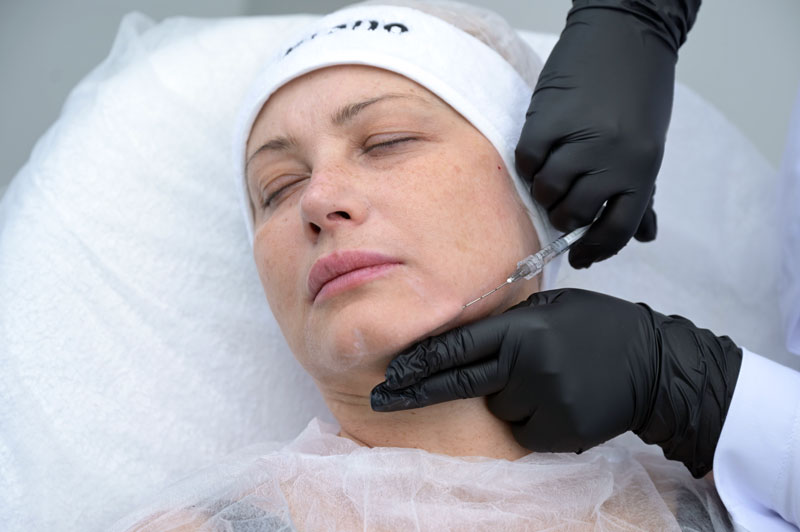
Introducing the cannula subcutaneously, parallel to the skin surface in a lateral direction towards the angle of the jaw in several – from three to five – diverging vectors close to each other, at a vector – 0.1 ml. The volume of filler on each side is 0.5 ml.
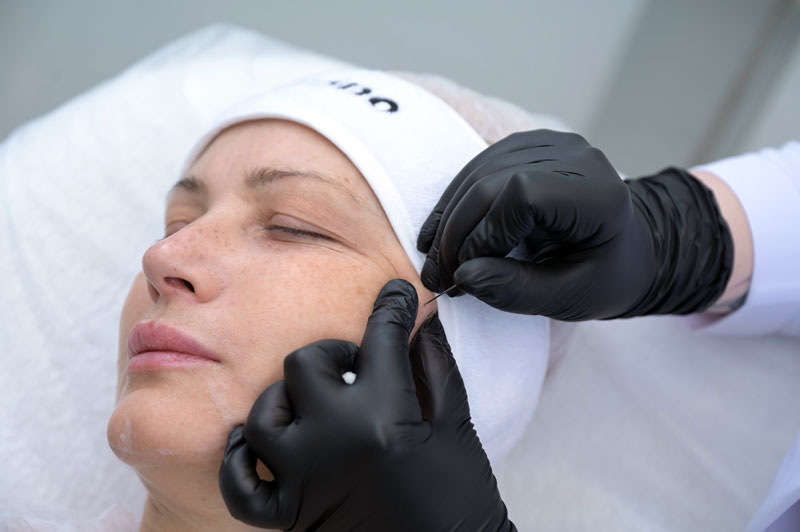
Correction of the lateral part of the lower jaw. Injection subcutaneously with a guide needle at the tip (grasping the skin fold reduces discomfort for the patient).
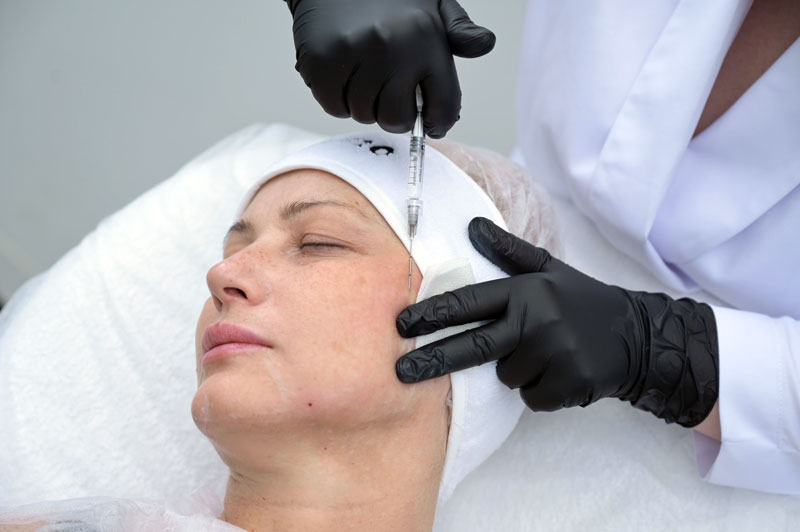
Descending vectors (2-3) of the cannula to the angle of the jaw. Total volume for the procedure – 0.3 ml. Total volume of the product on one side considering the formation of the angle of the mandible with converging vectors from different injection points from 1 to 2 ml.
Formation of the chin line from the first injection point to the center of the chin. Total volume of the product for the area – 0.2 ml.
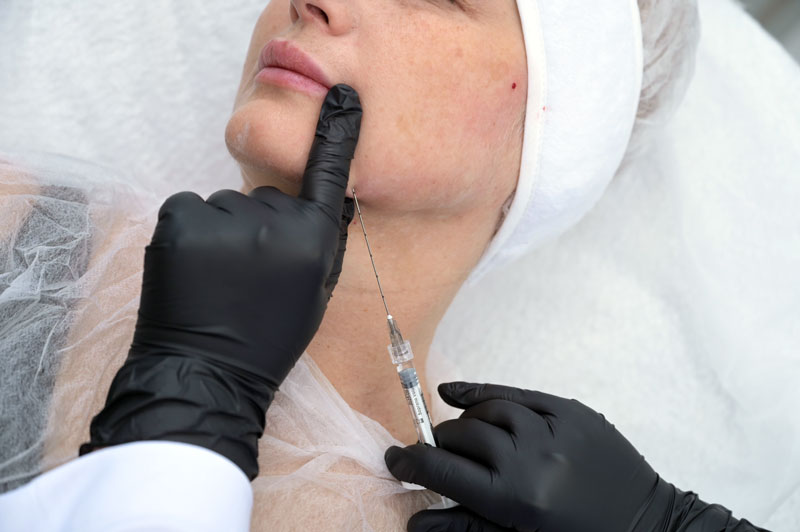
Remaining product is used to replenish the deficiency of subcutaneous adipose tissue in the projection of the corners of the mouth up to 0.3 ml linearly retrogradely with a 22G * 70 mm cannula.
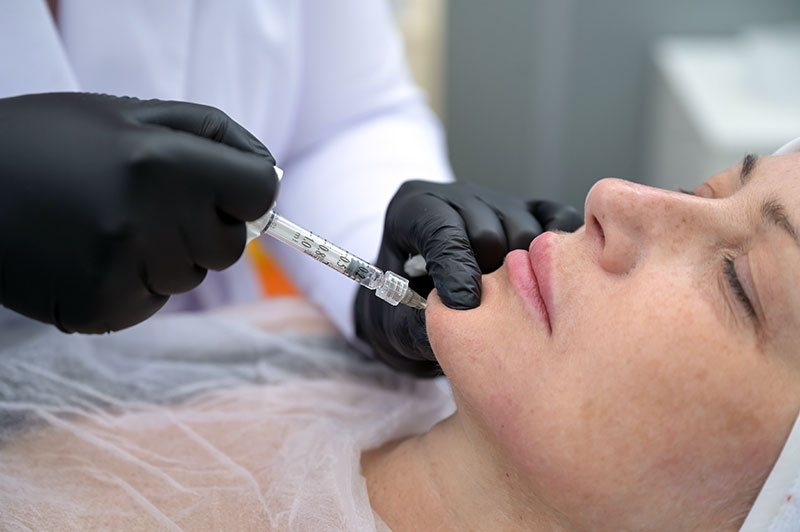
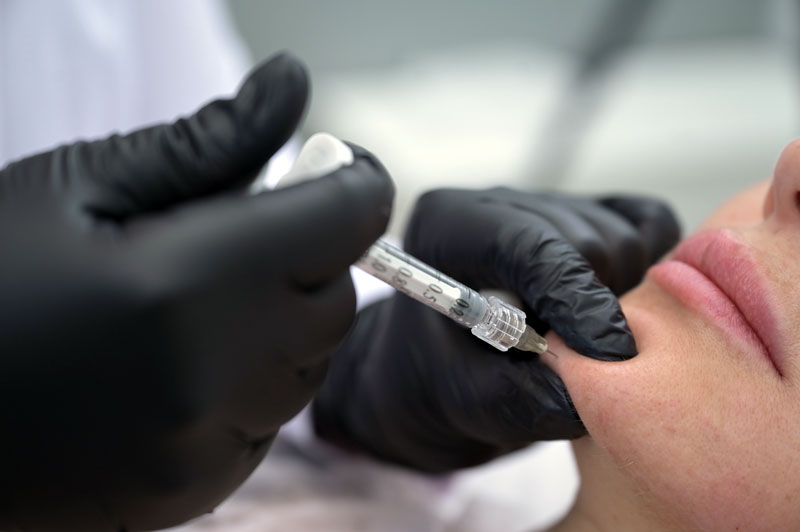
To create a smoother oval face, a 27G needle is used subcutaneously in the projection of the dimple-retraction on the chin, after a negative aspiration test, 0.4 ml of filler is injected.
Correction Results
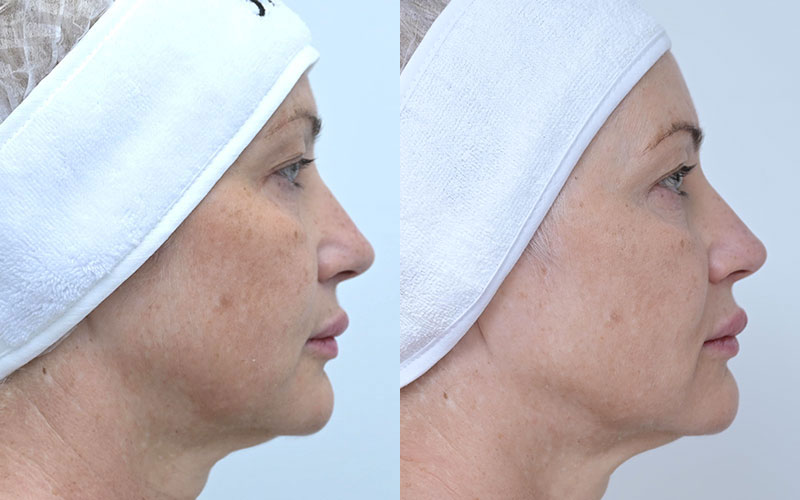
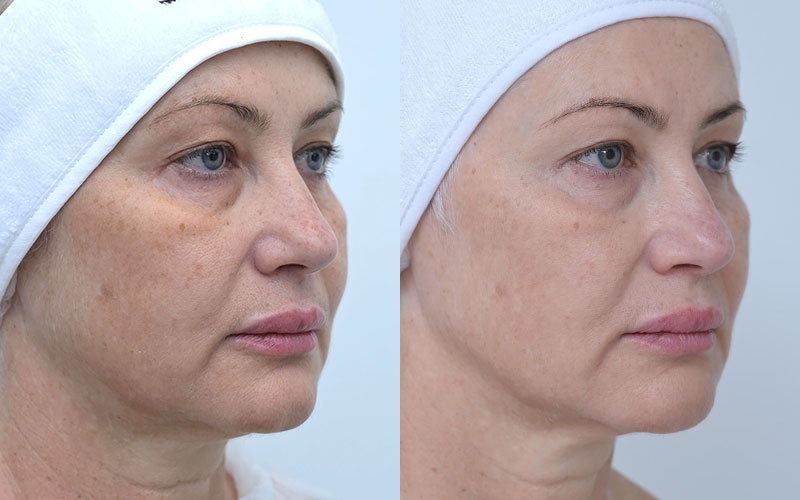
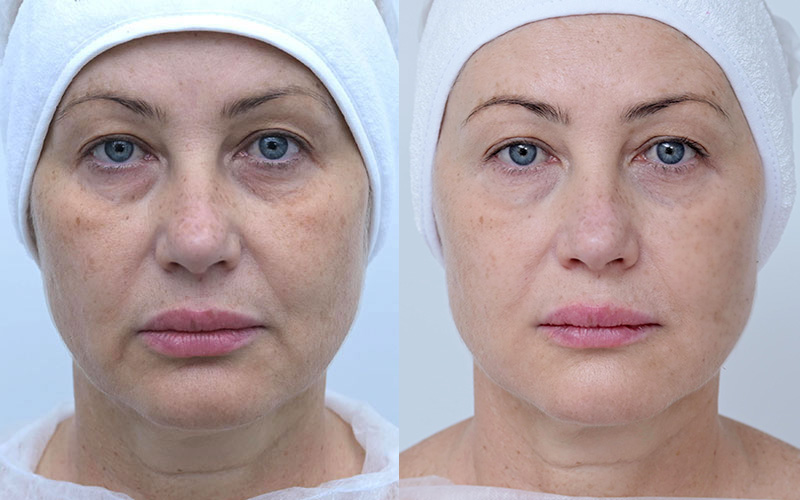
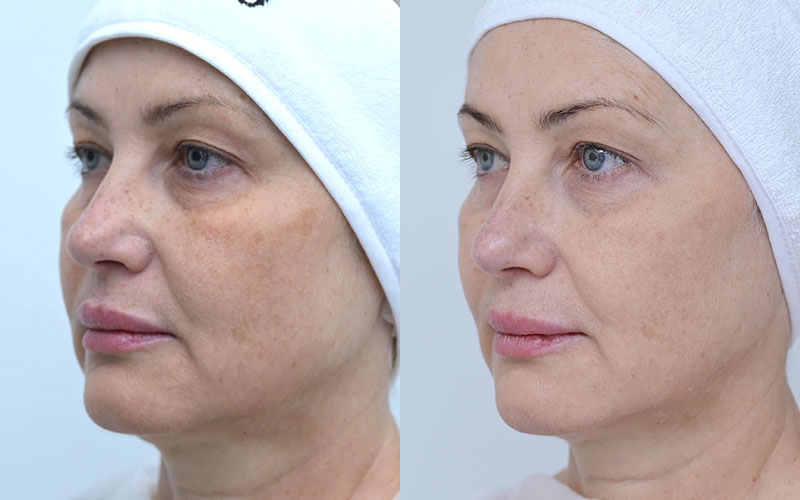
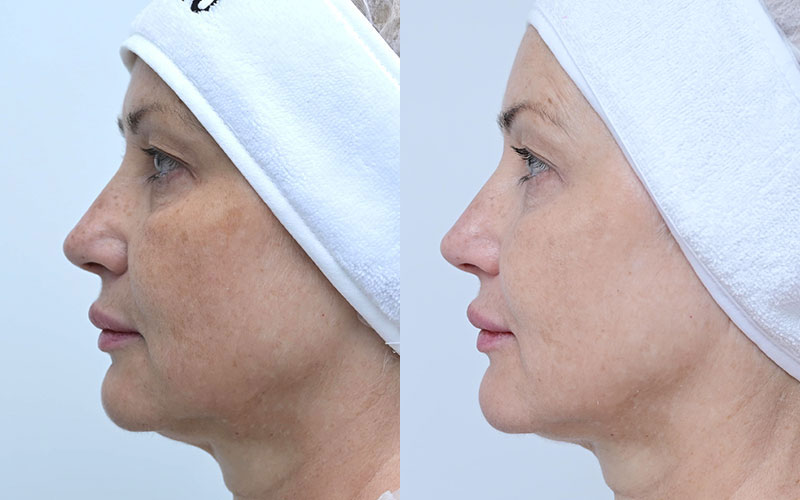
Immediately after the procedure, we observe a more defined, yet feminine, rounded facial contour, with more pronounced neck-chin angles without the effect of masculinization.
In the photo documentation of the delayed result two weeks later, an increasing effect is visible in the form of pronounced facial harmonization, smoothing of lines in the lower third of the face and its lateral sections.
Author: Olga Seredina